Blog

What’s Happening Here? A World View

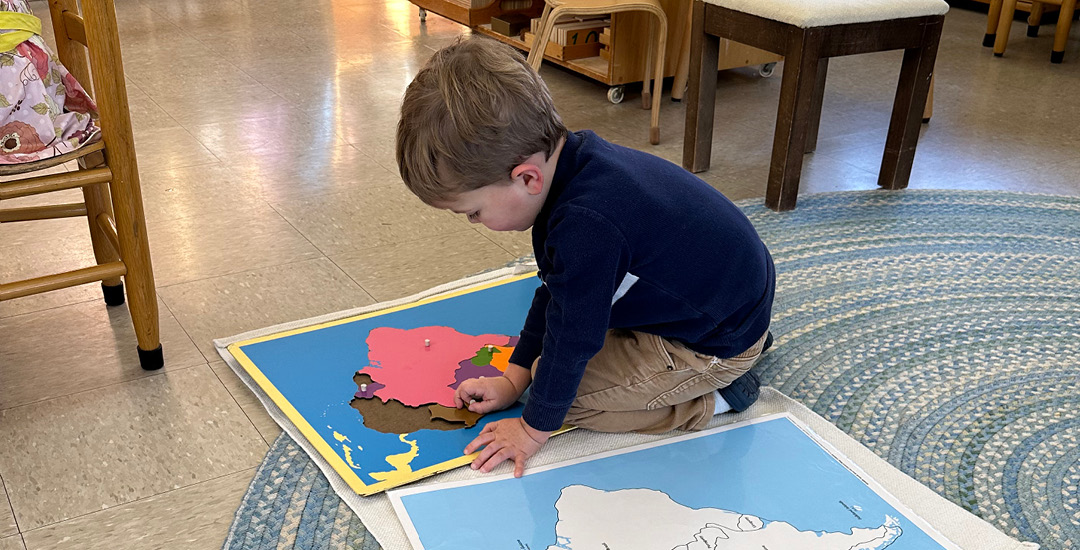
IN THIS PHOTO: Have you ever stumbled upon those heartwarming glimpses of young Primary Montessori students engrossed in maps, globes, and flags like this? It’s indeed a sight to behold – children diving into the wonders of our world. Yet, there’s a profound essence beneath the surface that often escapes casual observation.

Montessori education transcends mere geography lessons; it’s a pathway to peace. Picture this: before delving into the intricacies of states and towns, these little learners embark on a journey that begins with our Earth, then expands to continents, countries, and cultures. It’s a deliberate sequence that nurtures a global mindset from the earliest of ages.

Contrast this with conventional schooling, where the focus typically revolves around the individual and their immediate surroundings. In Montessori, however, the horizon extends far beyond, fostering empathy, understanding, and appreciation for the diverse tapestry of humanity.

By prioritizing a comprehensive understanding of the world, Montessori lays the groundwork for a generation empowered to navigate complexities with grace, compassion, and a broader perspective.

Let’s celebrate the profound impact of education for peace, one map and flag at a time.


Montessori Model United Nations

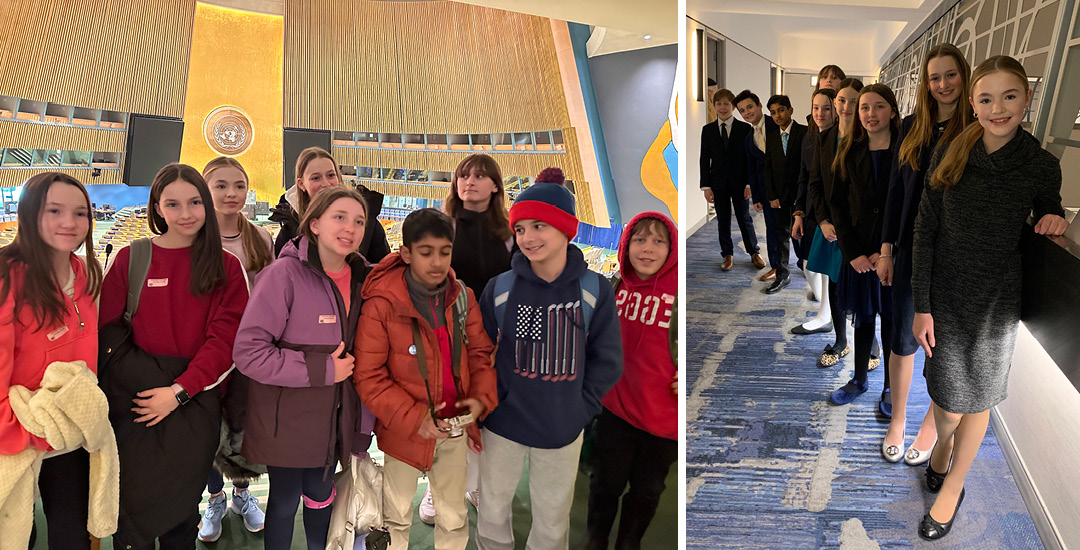
Left: Cobb School Upper Elementary 6th-Year students on their private tour of the United Nations. Right: Students all dressed up for their committee meetings.

At Cobb this past week, all nine 6th-year students successfully participated in the Montessori Model United Nations 4-day conference in New York City alongside students from Montessori schools worldwide. Student delegates represented each of the 193 member countries, engaging in discussions and offering solutions to pressing global issues, simulating the workings of the United Nations.

This year, our students represented Sweden, Jamaica, and Lebanon, tackling topics such as reducing space threats, promoting peaceful uses of technology, sustainable food systems, agricultural plastics, countering cybercrime, and the human right to privacy in the digital world. Throughout the year, they immersed themselves in learning about their chosen countries, conducting research on these topics, and crafting papers presenting potential solutions. At the conference, they delivered speeches to their respective committees, presented their solutions, and engaged in negotiations with fellow delegates, mirroring the formalities of a UN meeting. Witnessing our delegates confidently present themselves in formal attire in a new setting and collaborate enthusiastically with other children was a proud moment.

One of the conference’s highlights was the awe-inspiring visit to the General Assembly room at UN headquarters. Student delegates occupied the seats of UN ambassadors while listening to addresses by the UN ambassador of Grenada and youth leaders.

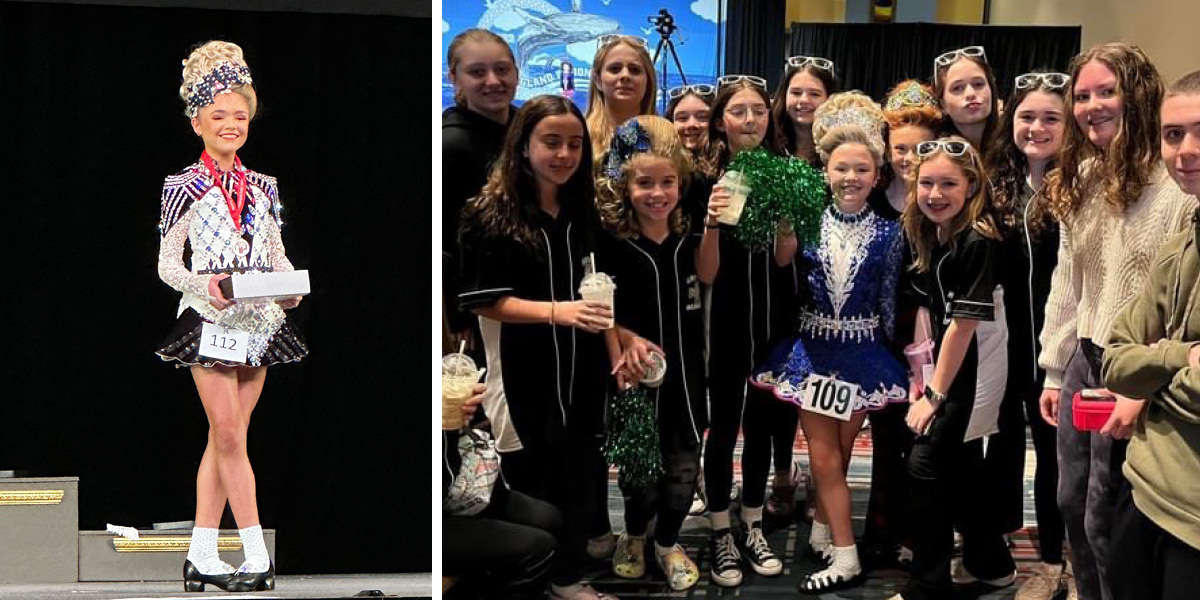
Traveling to NYC was an exhilarating opportunity in itself! We embarked on a tour of the United Nations, where children explored exhibits from various countries and gained insights into the UN’s pivotal role and its ongoing efforts. They relished dining in restaurants offering international cuisine, strolling around the city, and indulging in shopping. Evenings were brimming with cultural presentations by other schools, with Cobb School making its debut performance as Ellory Maynard Byron showcased a traditional Celtic Jig to an audience of two thousand people. The social night, featuring a DJ and loads of fun, added to the memorable experience.

The Montessori Model United Nations program served as a culminating experience for our 6th-year elementary students. It broadened their perspectives on different parts of the world and the global issues that impact us all. They learned the importance of listening, compromising, and finding their voices while recognizing their ability to effect change and devise solutions collectively.

The elementary child is in a sensitive period for reason and justice, deeply attuned to the social dynamics of their community and possessing the gifts of imagination and empathy. Maria Montessori envisioned education for the elementary child as guiding this sensitive period, revealing the interconnectedness of the world, and providing opportunities for active engagement in global affairs to foster stewardship of our planet. She famously remarked, “Establishing lasting peace is the work of education; all politics can do is keep us out of war.”


Ellory’s Journey: From Cobb to the NAIDC Stage


Irish dance is a mesmerizing art form that combines rhythmic footwork with intricate choreography, and one young talent has been making waves in the competitive scene. Meet Ellory, a sixth-year student at Cobb School Montessori, who embarked on a remarkable journey to the 2023 North American Irish Dance Championships (NAIDC) in Nashville.

A Star on the Rise

This past July, the 2023 NAIDC event in Nashville, Tennessee drew a staggering 5,000 competitive Irish dancers from around the world. Among them was Ellory, one of the thirteen qualifying competitors chosen to represent the New England Region in the U11 Open Championship Solo Competition.

A Journey of Dedication

For Ellory, the 2023 NAIDC marked her first “major” international event. She dedicated countless hours during the spring and early summer to perfecting new choreography at The Griffith Academy in Wethersfield, where she had been studying Irish dance since 2019. The U11 Open Championship Solo Competition required participants to prepare both a soft shoe dance, a slip jig, and a hard shoe dance, a treble jig.

What made this competition even more thrilling was that both jigs were performed three at a time on stage. Dancers had to be exceptionally careful not to collide with one another or falter, as any misstep could lead to point deductions or, worse, getting sent off-stage before completing their performance.

The competition was intense, but Ellory, along with her fellow competitors, showcased their incredible talent, determination, and grace under pressure.

A Dance to Remember

After the initial two rounds of performances, the top 50% of all competitors would be “recalled” to perform a final hard shoe round, a set dance, alone on stage. Ellory had prepared a challenging set dance called “Planxty Davis,” not knowing whether she would even have the opportunity to dance it for the judges.

A Day of Triumph

Competition day began early at 4:30 a.m. and didn’t end until after the sun had gone down. Despite the long hours and fierce competition, Ellory had a remarkable experience at the 2023 NAIDC.

While there were no expectations that she would recall at her first major competition, Ellory defied the odds and had the chance to perform her version of “Planxty Davis” for the judges. In the end, she placed an impressive 28th overall among some incredibly accomplished dancers.

The experience left her feeling motivated and inspired to continue her journey in Irish dance.

A New Chapter Begins

Ellory’s positive experience at the 2023 NAIDC fueled her passion for Irish dance even further. She dove right into learning new choreography in preparation for the New England Region Oireachtas (pronounced Uh-Rock-Tas), which means “annual gathering” in Gaelic, taking place in Hartford in November.

This year, Ellory has her sights set on an even greater challenge: qualifying for both the 2024 NAIDC in Dallas and the 2024 World Irish Dance Championships in Glasgow, Scotland. Her journey in Irish dance is just beginning, and her dedication and talent are sure to take her far.

As Ellory continues to pursue her dreams on the Irish dance stage, we can’t wait to see where her passion and talent will take her next.


Freedom in a Montessori Classroom

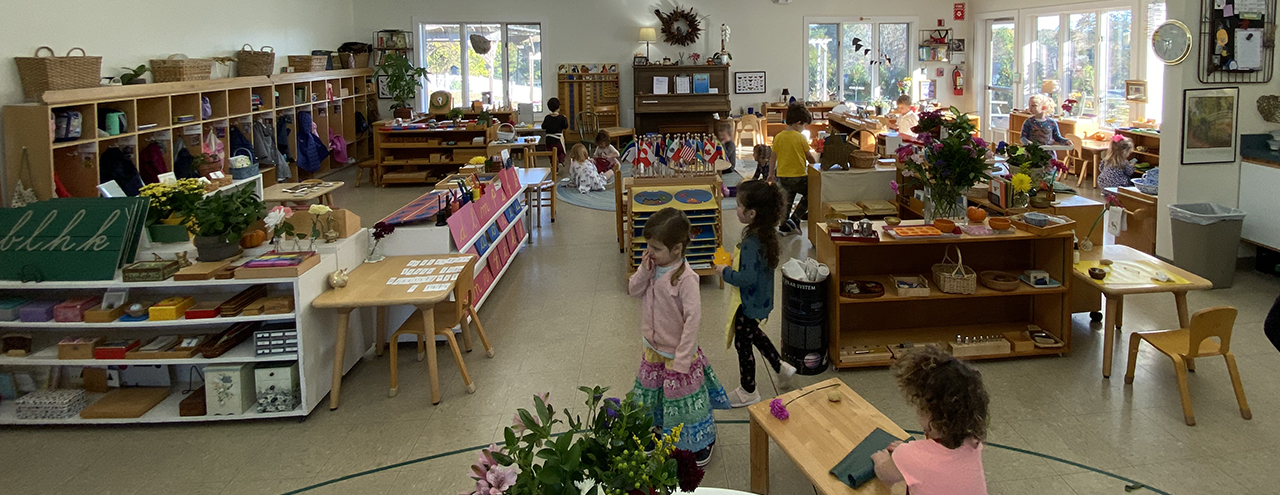
Freedom to choose work is the most distinguishing feature of a Montessori classroom. It can also be the most terrifying feature. Can children do whatever they want in a Montessori classroom? 

To understand the importance Montessori placed on freedom in a learning environment, we first have to shed our assumptions about schooling- that we, the adults, need to tell them what to do and when to do it, that all children should be doing the same thing at the same time, or that children need incentive to learn. We need to step back and look at natural development. 

Freedom and Natural Development

All life grows and develops as nature guides it and depends on the environment to nurture its needs. Nature drives curiosity in children. It makes them want to actively explore and understand the world around them so that they can become an independent member of society. Our role as educators is to not get in the way and suppress the drive to learn by imposing our will on them. 

Instead, we give them the opportunity or freedom to follow their love for learning. Montessori classrooms give children these freedoms:

  • to make choices based on their interest
  • to work at their own pace without interruption
  • to make mistakes and learn from them
  • to move and be active
  • to socialize and collaborate

When children are free to pursue their interests and choose an activity, they are absorbed into their work, focusing their attention and satisfying a deeper need. You might recognize this when you immerse yourself in an activity that calls to you. Such work is not the result of external pressure, incentives, rewards, or punishments. Instead, it is self-driven and self-motivated. This learning brings the most satisfaction and cannot be achieved without the freedom of choice.

Watching children enter their classrooms and start their day by choosing from a myriad of activities on the shelves is truly captivating. But how do children know what they want to do?

A young child is driven almost unconsciously by nature to activity. When children have the opportunity to practice this self-driven decision-making every day, they develop both self-discipline and self-knowledge as they get older and make more conscious decisions.

The design of the tangible and the intangible environment guides the child not only to physical independence but also to intellectual, social, and emotional independence. With the freedom to choose, explore, repeat, make mistakes, and self-correct, children can achieve not only a deeper understanding of the subject or skill but also engage actively in decision-making, creativity, and problem-solving.  

Limits

Yet, as in any organization or society, for the freedom of each individual to be protected, there are boundaries within which the freedoms exist. There are consistent, predictable structures that allow the children to feel safe and authentically free. 

  • Grace and Courtesy: The limits to individual freedoms are the rights of others. Lessons in grace and courtesy show children how to move within the environment without disturbing others, handle materials carefully, talk with respect and kindness, wait patiently, and care for their environment. 
  • Presentations: The guides present clear and consistent lessons for how to handle and work with a given material. 
  • Purposeful work: Every material and activity is orderly and carefully curated to be purposeful and support development. 
  • Competence: The range of freedom given at any stage depends on the competence shown and the independence gained by the child.
  • Limited materials: There are constraints to the number of materials or resources available, which means they have to wait, work together, or choose alternatives.

Responsibility

Elementary children are conscious decision-makers. They are shown that freedom and responsibility go hand in hand and that we each have a responsibility to society, the environment, and ourselves. 

  • With the freedom to choose work comes the responsibility of understanding that there is work that they can do and there is work they must do. The guide may help the child understand that there is a variety of ways in which to achieve that goal. 
  • With the freedom to work with others comes the social responsibility of being fair, inclusive, and respectful. 

Structures in the environment, such as using work journals and student-teacher conferences, support self-reflection and responsibility. The guides constantly observe children to determine their ability to choose and initiate responsibly. If a child needs help with making a choice, they are shown how to make a choice rather than being told what to do. Great value is placed on supporting the child in finding their drive to learn and making responsible decisions. 

Think of a young child who chooses window-washing repeatedly. Through this choice, the child is building confidence in their decision-making, exercising self-discipline, following multi-step directions, and developing coordination, concentration, and attention to detail, all while taking care of the environment. If they spill water and make a “mistake,” they know how to solve it.  They can concentrate and take the time needed to complete the work to satisfaction. 

For children aged 6 to 12, interest is stimulated by storytelling, opportunities for group work, and activities that stretch the boundaries of imagination and abstraction. Following a lesson on long division, children may get excited about dividing a large number. The fact that they can choose to do this may not have occurred to them if they were always used to someone telling them what they should do. The adult does not limit this drive but encourages and is ready for it. They are free to work together by attaching several sheets of paper, talking, collaborating, and dividing roles. They may take several days to complete the problem. They have devised a creative way to practice, enjoy working, and problem-solving. There is no need here for stickers or grades to incentivize. Their motivation is purely internal.

In a day and age where information is readily available, education is not simply to teach and memorize facts and complete tasks but to develop independent thinkers. By understanding the delicate balance between freedom and responsibility, Montessori classrooms create an environment that fosters the child’s natural love for learning and nurtures individuals who are self-disciplined and self-motivated. They enjoy work, are responsible, and are respectful. These are fundamental skills they will need to be lifelong learners and productive, thoughtful citizens.

Author: Subha Sankaran, Head of Cobb School Montessori

Mystery History

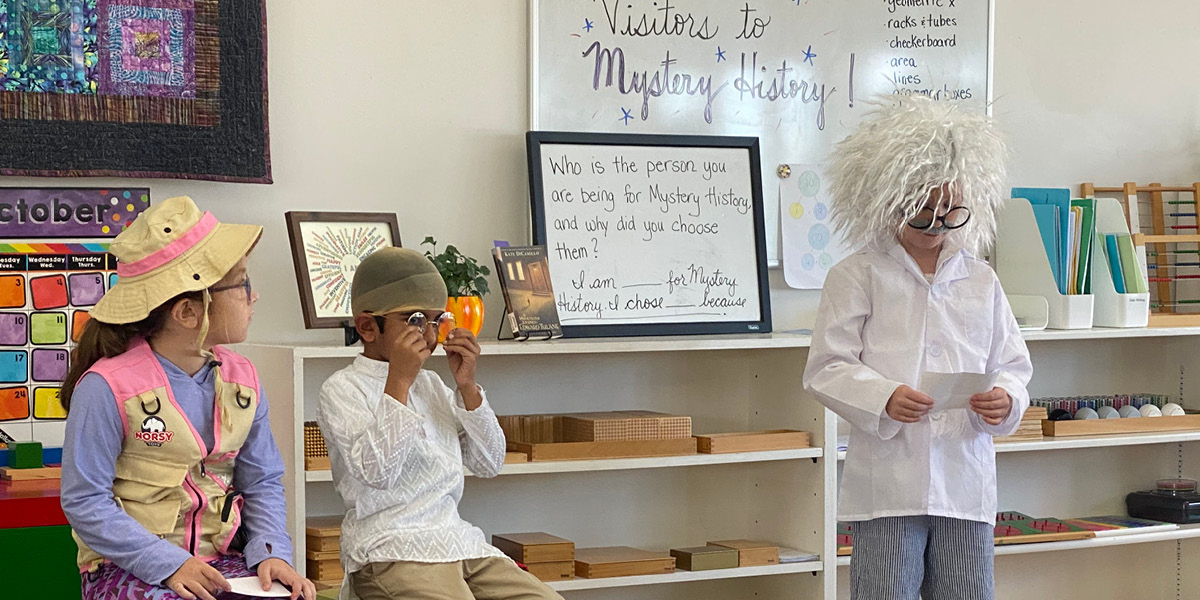
Mystery History is a long-running Cobb tradition. Elementary students spend most of October choosing a historical figure and learning and writing about their contributions to the world. On Mystery History Day they personify the historical figure and present key facts about them to their peers — giving them a chance to guess who they are.

Alan Shepard Junko Tabei, Selina, Hildegard of Bingen, Albert Einstein, Michael Jackson, and Mahatma Gandhi  —these were just a few of the people whom our Elementary students brought to life.

In the Montessori Elementary curriculum, the study of history highlights the importance of all the work done by humans over time and space to satisfy and improve human needs. Biographies play a pivotal role in this approach, allowing students to connect with history on a personal level. Students gain a deeper understanding of the virtues, challenges, and contributions of the historical figure, fostering empathy and appreciation for them.


What’s Happening Here? Honoring Concentration

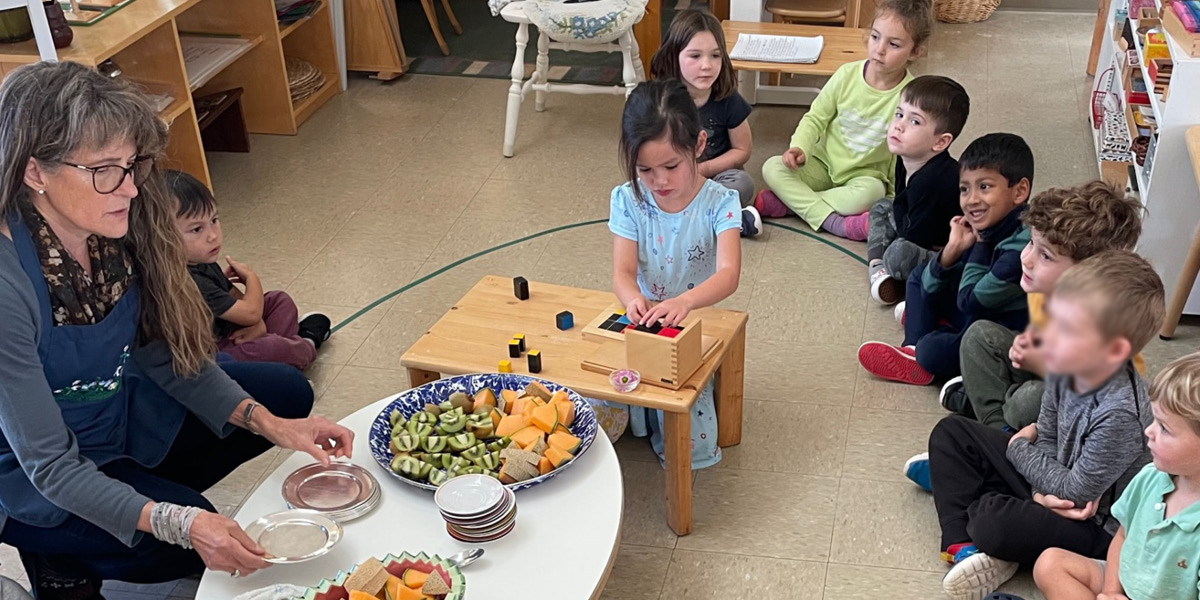
IN THIS PHOTO: You see a child engrossed in her work with the trinomial cube while amid a group lesson. The teacher did not make her stop to join the lesson. She let the child continue her work until she was done. The teacher honored the child’s concentration. Maria Montessori believed that children have an innate ability to concentrate when they are free to explore and learn at their own pace without interruption. She saw concentration as the foundation for all learning, a state of mind in which children are fully engaged in their activities, and it is in this state that they work on their self-construction.

Benefits of Honoring Concentration

Honoring concentration in Montessori classrooms offers several significant benefits to the development of children:

Deep Learning: When children are deeply concentrated, they are more likely to absorb and retain information. This depth of focus allows them to explore and understand a subject in a profound way.

Enhanced Problem Solving: Concentration promotes problem-solving skills. Children have the opportunity to work through challenges on their own, fostering independence and resilience.

Self-discipline: By allowing children to decide when they are ready to engage in an activity, Montessori classrooms teach self-discipline. They learn to manage their time and energy, developing a sense of responsibility.

Intrinsic Motivation: Concentration encourages a love for learning. When children are captivated by their work, they are naturally motivated to explore and discover more, instilling a lifelong love for learning.

Respect for Others: By honoring concentration, Montessori classrooms teach children to respect the work and focus of their peers. This leads to a more harmonious and cooperative learning environment.